The Start of the Prepaid Phonecard in America and My Involvement with It By Bill Span email: info@BrandOceanic.com
In early 1991, in a conversation between Larry Huff and Towru Ikeda in Northern California, the spark
of the idea of the American prepaid phonecard was invented. It would become a multi-billion dollar industry.
Larry and Towru hired Bill VonHelmet to design and build the first computer program/switching equipment
to process a prepaid phone call in the United States. Larry Tolbert and David L. Eastis were brought
on as founding partners and the four went to work to launch the prepaid phone card industry in this country.
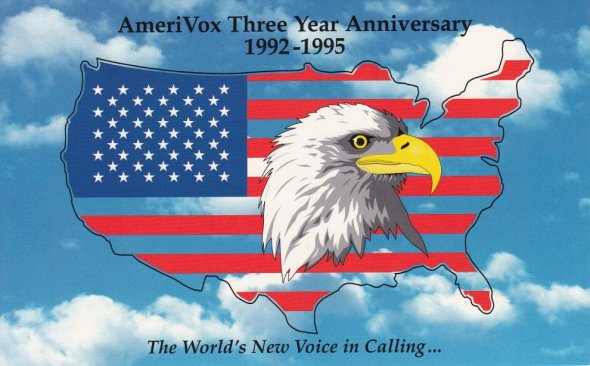
They named their new company "AmeriVox".
At this time neither the word "prepaid" nor the word "phonecard" existed in the American consciousness.
The product was propelled by the fact that it could be utilized to make inexpensive long distance calls
"instate" at a time when high priced monopolies like GTE Hawaiian Tel were charging exorbitant fees
for local (instate) long distance. We were the first new technology to break that specific monopoly
and offer callers a much cheaper alternative by dialing a few extra numbers.In a meeting in Kirkland, Washington (near Seattle) the partners found the catalyst to start building the sale force.
Four years later, 70,000 sales reps would have signed up and million dollars of phone cards would be sold.Bill Span got started at the beginning of March of 1992. At that point Span was the first person in Hawaii
to start recruiting people to sell phone cards, even though the product did not not work in Hawaii until
July 1992. The product worked on the mainland USA starting on March 16, 1992. We sold them to tourists
who would take them back to the mainland and use them. And we sold them on the dream of the product
someday being available in the islands.
The day service launched, the people of Hawaii had their first inexpensive alternative to
GTE Hawaiian Tel's monopoly and they could start saving big money on their inter-island calls.
Four years later ... Span's sales team in Hawaii would total more than 5,000 people. Span's group
would sell hundreds of thousands of phone cards. GTE Hawaiian Tel would radically lower their
in-state calling rates, because of the amount of business we took from them via this new technology.The two Alaskan phone monopolies were the next target.
Five trips to Alaska from Honolulu created 2,000 reps selling phone time at half the price of AlasCom
and GCI. Millions of dollars a month were saved by the hard working Alaskan people now cutting the
cost of a major utility in half.
Span's total sales team exceeded 8,000 people. One out of every 10 people in Hawaii carried an
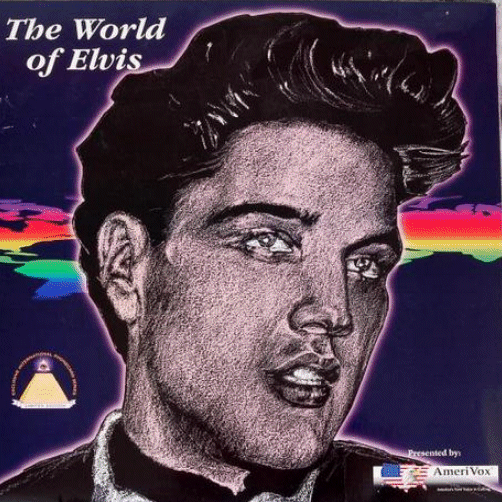
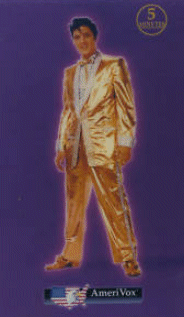
AmeriVox card by the fourth year, after 5,000 Hawaii reps sold an average of 20 cards each.The signing of a worldwide exclusive for the rights to put Elvis Presley on the phone cards furthered
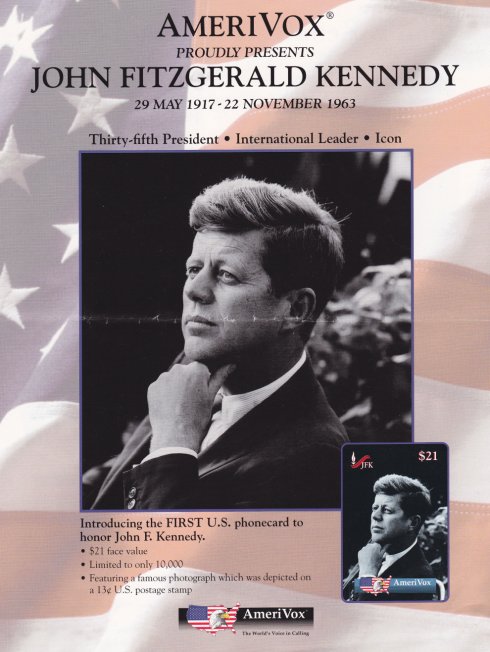
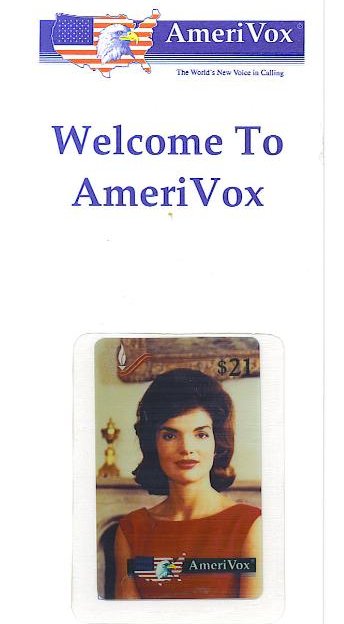
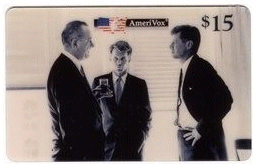
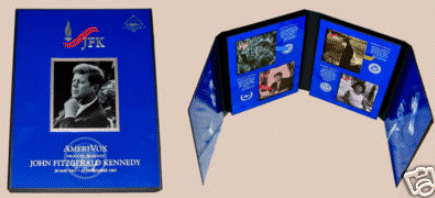
interest in the phone cards and now they became collectable. Later John F. Kennedy and
wife Jackie were exclusively featured on the cards and there were dozen's of other royalty deals.
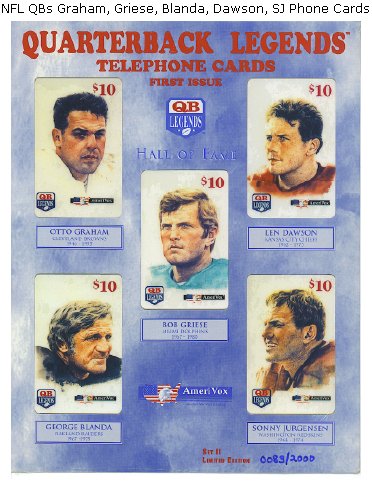
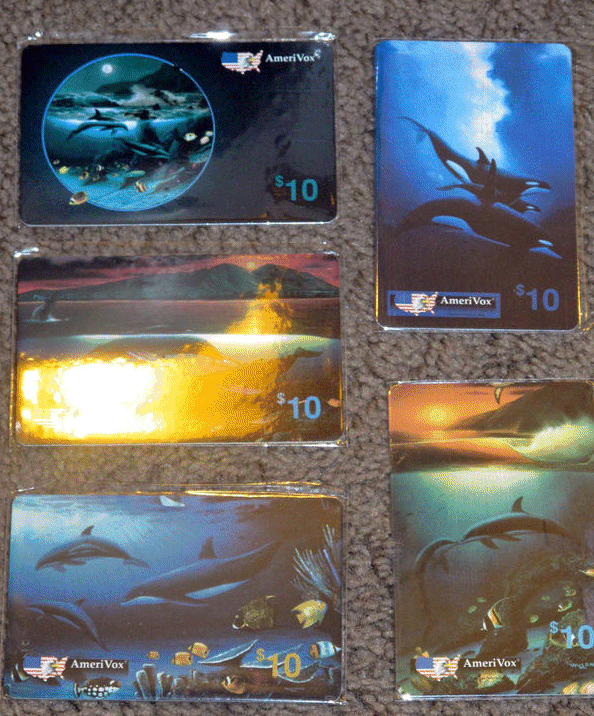
Span's largest client was Konishiki (625 pounds). His favorite client was Wyland, the ocean artist,
also it was the most popular selling card. Other royalties included Richard Petty, Norman Rockwell,
Ken Griffey Jr., and Steffi Graff.The life story of Bill Span (best read if you can't sleep or are really bored).
back to Bill Span's bio
er>
Bill Span's bio